


Every business owner eventually asks the same question: where should marketing dollars actually go? A generation ago the answer was simple, since options were limited to print ads, billboards, and maybe a radio spot. Today the landscape includes search engines, social platforms, email inboxes, and video feeds, all competing for the same customer attention. Online digital marketing is the umbrella term for reaching and converting customers across all of these digital spaces.
For a beginner, the sheer number of options can feel overwhelming. This guide breaks down the core channels, what they typically cost, and how a business can decide which combination fits its goals rather than trying to do everything at once.
What Online Digital Marketing Actually Covers
Online digital marketing includes any promotional activity that happens through the internet rather than traditional offline media. That covers search engine optimization, paid search ads, social media marketing, email campaigns, content marketing, and increasingly video and influencer partnerships. Each of these digital marketing channels serves a slightly different purpose in the customer journey, from building initial awareness to closing a final sale.
Unlike a billboard that reaches everyone driving past regardless of interest, online channels allow a business to target people based on what they search for, what pages they visit, and even what they have already purchased. That precision is a major reason online spend has overtaken traditional advertising for most industries over the past decade.
Search Engine Optimization Brings Free, Long-Term Traffic
Search engine optimization, or SEO, focuses on ranking a website higher in organic search results without paying for each click. A well-optimized page about a specific product or service can keep attracting visitors for years after it is published, which makes SEO one of the more cost-efficient digital marketing channels over time.
The tradeoff is patience, since SEO typically takes several months to show meaningful movement. Businesses in competitive markets, such as legal services or ecommerce, often need consistent content publishing and technical fixes over six months or longer before rankings climb enough to matter. Still, for businesses willing to invest the time, organic search often becomes one of the largest sources of new customers.
Online Advertising Delivers Immediate Visibility
Online advertising, including pay-per-click search ads and paid social campaigns, puts a brand in front of potential customers right away rather than waiting for organic rankings to build. A local plumber can appear at the top of search results for emergency repair terms within hours of launching a campaign, which makes paid ads attractive for businesses that need results quickly.
Costs vary widely depending on industry and competition. A click on a common consumer keyword might cost a few cents, while a click in a competitive field like insurance or legal services can run into double digits. Because of this range, setting a clear budget and tracking cost per lead closely matters far more in online advertising than it does in most other digital marketing channels.
Internet Marketing Through Social Media and Content
Internet marketing on social platforms works differently than search-based channels because it reaches people who were not actively looking for a product. Instead, brands earn attention through entertaining, useful, or visually appealing content that stops someone mid-scroll. Platforms like Instagram, Facebook, and LinkedIn each attract slightly different audiences, so the right social media strategy depends heavily on who a business is trying to reach.
Content marketing, including blog posts, videos, and downloadable guides, supports this effort by giving a brand something worth sharing in the first place. A helpful introduction to digital marketing and its core types can be a useful starting point for anyone still mapping out which formats fit their audience best.
Digital Marketing for Small Business on a Limited Budget
Digital marketing for small business owners often means making tough choices about where limited dollars go furthest. Rather than spreading a small budget thin across five channels, most beginners see better early results by picking one or two channels, mastering them, and expanding once those channels are producing steady leads.
Local SEO, a well-built Google Business Profile, and email marketing to existing customers tend to offer some of the best returns for small budgets because they target people already close to a buying decision. Larger paid campaigns and broad brand awareness efforts usually make more sense once a business has proven its offer converts and has room in the budget to scale.
Ecommerce Marketing Needs Its Own Playbook
Ecommerce marketing differs from service-based marketing because the entire purchase can happen online without a phone call or sales meeting. This makes conversion rate, cart abandonment, and average order value critical metrics that service businesses rarely track as closely. Product feed optimization, shopping ads, and retargeting campaigns aimed at people who viewed a product but did not buy all play a much bigger role for ecommerce brands than they do for local service providers.
Email marketing also carries extra weight in ecommerce, since abandoned cart emails and post purchase follow ups can recover sales that would otherwise be lost entirely. A business selling physical products online should expect to invest more heavily in these automated sequences than a typical service business would.
Paid Versus Organic Marketing: Finding the Right Balance
The debate between paid versus organic marketing rarely has a single right answer, since most successful businesses use both rather than choosing one exclusively. Organic channels like SEO and content build a foundation that keeps working without ongoing ad spend, while paid channels offer speed and control that organic simply cannot match in the short term.
A reasonable approach for a growing business is to use paid advertising to generate revenue while organic efforts are still building momentum, then gradually shift budget toward organic channels as they start producing results on their own. Reviewing how online marketing solutions compare to traditional advertising can help a business owner see where the numbers actually favor a digital-first approach. For businesses trying to understand realistic budgets before committing, the breakdown on digital marketing costs for small businesses offers useful benchmarks.
Tracking Results Without Getting Lost in Data
One of the biggest advantages online digital marketing holds over traditional advertising is measurability. A newspaper ad offers almost no way to prove it generated a specific sale, while a website visit, a form submission, and a phone call can all be tracked back to the exact channel that produced them. Tools like Google Analytics and call tracking software let a business see which pages, ads, and keywords are actually contributing to revenue.
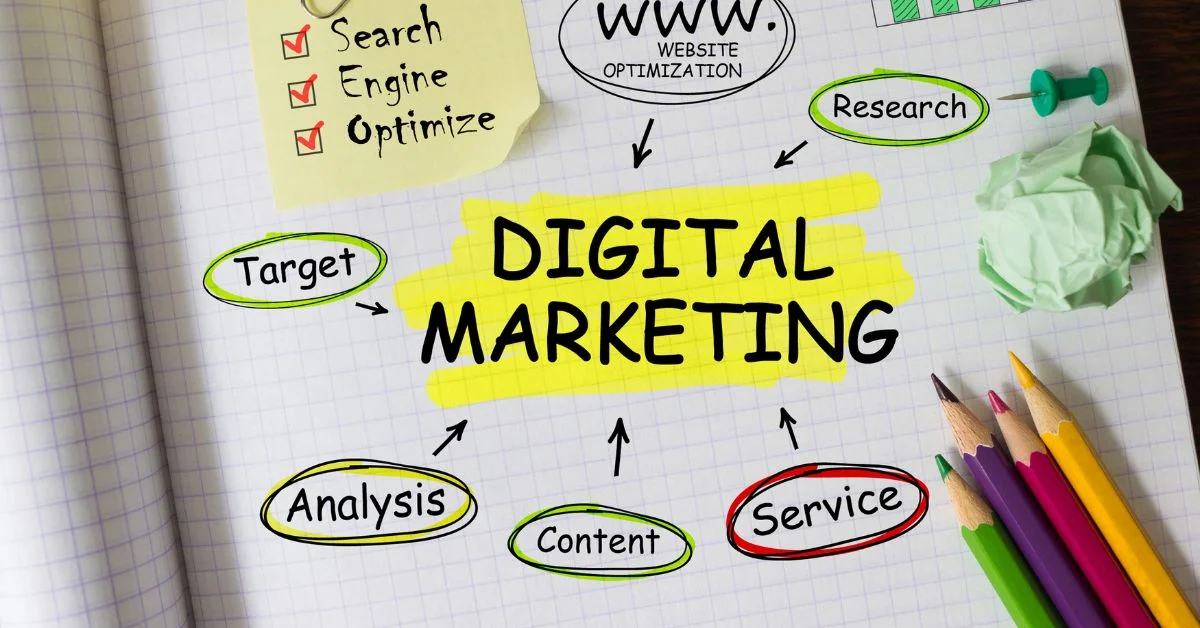
The challenge for beginners is often not a lack of data but too much of it. Dashboards full of impressions, sessions, and bounce rates can distract from the numbers that matter most, which are usually leads, sales, and cost per acquisition. Picking three or four core metrics tied directly to revenue, then checking them on a regular schedule, keeps a marketing program focused on outcomes rather than vanity statistics that look impressive but do not pay the bills.
Setting up proper tracking early also saves headaches later. A business that waits a year to start measuring results has no baseline to compare against, while one that tracks from day one can spot which channels are improving and which are quietly wasting budget.
Building a Simple Online Digital Marketing Strategy
Beginners often make the mistake of trying every channel at once, which spreads effort too thin to see real results anywhere. A simpler approach starts with a clear goal, whether that is more phone calls, more online orders, or more email signups, and works backward to the one or two channels most likely to achieve it.
From there, tracking matters as much as the campaigns themselves. Without knowing which channel actually produced a sale, a business cannot make good decisions about where to invest next. Reviewing a guide on how digital marketing services drive measurable business growth or a piece on combining SEO, PPC, and social media effectively can help a beginner see how the pieces fit together once a foundation is in place. Working with a team such as Premier Marketing can also shorten the learning curve considerably for owners who would rather focus on running the business itself.
Growth online rarely happens overnight, but a business that picks the right starting channels and measures results honestly tends to build momentum steadily rather than burning through budget on tactics that never quite fit.
Frequently Asked Questions
1. What is online digital marketing?
Online digital marketing is any promotional activity conducted through the internet, including SEO, paid ads, social media, email, and content, aimed at reaching and converting customers digitally.
2. Which digital marketing channel is best for beginners?
Most beginners see faster wins from local SEO and a well-managed Google Business Profile, since both target nearby customers who are already close to making a purchase decision.
3. How much should a small business budget for online marketing?
Budgets vary by industry, but many small businesses start with a modest monthly amount split between one paid channel and ongoing SEO or content work as a baseline.
4. Is paid or organic marketing better for a new business?
Neither works alone for most new businesses, since paid ads deliver faster visibility while organic channels build lasting traffic that keeps working after the initial investment.
5. How long does online digital marketing take to show results?
Paid advertising can show results within days, while organic channels like SEO usually need three to six months of consistent effort before rankings and traffic improve.