


San Diego’s business scene has changed fast over the past few years, and websites that looked competitive in 2022 are starting to feel dated. If you’re a local business owner comparing web design San Diego options right now, you’ve probably noticed that the bar has moved. It’s no longer enough to have a site that just looks nice – it needs to load fast, work flawlessly on mobile, and actually guide visitors toward booking a call or making a purchase.
Why Website Trends Matter More in Competitive Markets Like San Diego
San Diego is home to a dense mix of tourism businesses, healthcare providers, tech startups, and professional services, all competing for attention in a relatively compact market. That density means customers have options, and they’ll bounce to a competitor’s site in seconds if yours feels slow or confusing. A San Diego web design company that understands this local competitive pressure builds sites with conversion in mind from day one, not as an afterthought once traffic starts coming in.
The businesses seeing the best results right now aren’t necessarily the ones with the flashiest animations. They’re the ones whose sites answer a visitor’s question -what do you offer, where are you located, how do I contact you -within the first few seconds of landing on the page. That clarity, more than any trendy visual effect, is what turns a visitor into a lead.
The Web Design Trends Actually Driving Leads
Mobile-first design isn’t optional anymore; it’s the baseline. More than half of local searches in San Diego happen on a phone, often from someone standing outside a business or searching while driving. Sites that aren’t built mobile-first tend to lose visitors within seconds, regardless of how strong the desktop version looks.
Speed is the second major factor. Every extra second of load time measurably increases bounce rate, which is why web design services built around lightweight code and optimized images consistently outperform bloated, image-heavy sites. Beyond speed, simplified navigation is trending hard right now -fewer menu items, clearer calls to action, and forms that ask for only the information you actually need. Complicated navigation might have looked sophisticated a few years ago, but today it just adds friction that costs you leads.
Design and SEO Have to Work Together
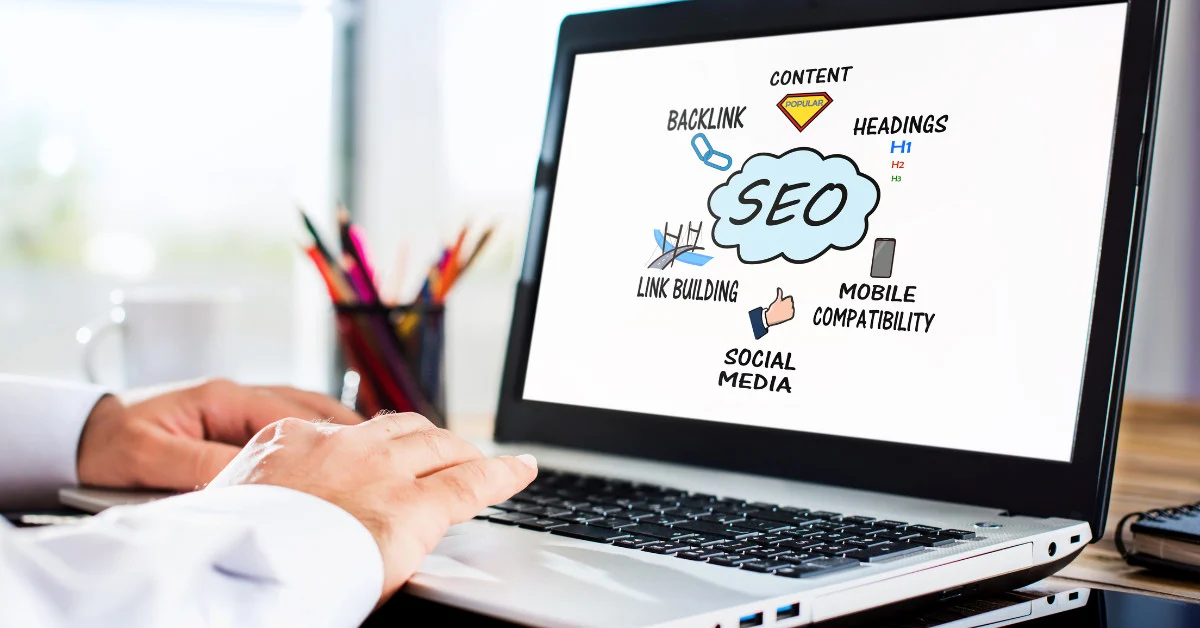
A beautifully designed website that no one can find isn’t doing its job. That’s why SEO services need to be baked into the design process from the start, not bolted on afterward. Page structure, heading hierarchy, and image alt text all affect how well a site ranks, and retrofitting SEO onto a site that wasn’t built with it in mind is always harder -and more expensive -than doing it right the first time.
This is where working with a marketing partner that operates in your region pays off. Premier’s West Coast office sits right in San Diego, which means the strategies built for local businesses account for actual regional search behavior instead of generic national assumptions. A site built for a San Diego audience should reflect how people in this specific market actually search and browse, not a template pulled from a business in a completely different region.
Turning Design Trends Into Actual Business Growth
The point of following web design trends isn’t to look modern for its own sake -it’s to remove every possible obstacle between a visitor and a completed action, whether that’s a phone call, a form submission, or a purchase. Strong branding ties this together, giving visitors a consistent, trustworthy impression the moment they land on your site, which matters enormously in a market where customers have plenty of alternatives one search away.
Before investing in a redesign, it’s worth looking at examples of real work built for other San Diego and California-area businesses to see how design choices translated into measurable results. A portfolio with real before-and-after performance data tells you far more than a list of design services ever could.
Web design San Diego businesses need in 2026 isn’t about chasing every new trend that shows up in a design blog. It’s about combining speed, clarity, and mobile-first thinking into a site that actually converts visitors into customers. Premier Marketing focuses on building websites that balance modern design with performance, helping businesses create a better user experience while generating more qualified leads. That’s the standard worth holding any web design partner to.
FAQs
1. What’s the biggest web design mistake San Diego businesses make?
Prioritizing visual flash over speed and clarity. A slow, cluttered site loses more leads than a slightly less polished one that loads fast and clearly explains what the business offers.
2. How important is mobile design for San Diego businesses specifically?
Very important, since a large share of local searches happen on mobile devices, often from people actively looking for a nearby business. A site that isn’t mobile-optimized will lose a significant portion of potential leads.
3. Should SEO be part of the web design process or handled separately?
It should be part of the design process from the start. Retrofitting SEO onto an already-built site is possible but usually requires more work and often produces weaker results than building with SEO in mind from day one.
4. How often should a business redesign its website?
Most businesses benefit from a redesign every two to three years, or sooner if load times, mobile performance, or conversion rates start slipping compared to competitors.
5. Does a flashy design actually help convert more leads?
Not usually. Clear navigation, fast load times, and an obvious path to contact or purchase tend to outperform heavily animated or visually complex sites, especially on mobile.
6. What should I look for in a San Diego web design company?
Look for a portfolio with measurable results, not just attractive screenshots, and ask how they approach SEO, mobile optimization, and load speed as part of the design process rather than as separate add-ons.