



In today’s competitive market, small businesses face the challenge of standing out while building trust and credibility with their customers. One of the most effective ways to achieve this is through professional branding services for small business. Strong branding not only establishes a business’s identity but also helps attract and retain customers, improve recognition, and boost overall growth.
However, simply investing in branding services is not enough. Small business owners need to measure the impact of these services to understand their effectiveness, optimize strategies, and ensure a solid return on investment (ROI). In this blog, we’ll explore how to measure the impact of branding services and provide actionable insights for small businesses.
What Are Branding Services for Small Businesses?
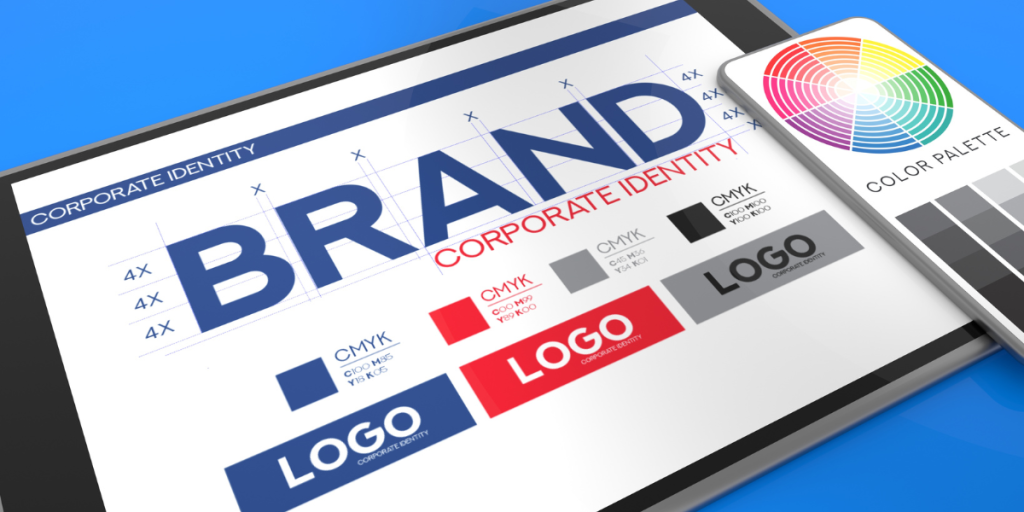
Branding services encompass a wide range of activities that create a unique identity and presence for a business. These services include:
- Logo and Visual Identity Design – Creating a memorable logo, color scheme, typography, and overall visual style.
- Brand Messaging and Voice – Developing a consistent tone, tagline, and messaging strategy.
- Website and Digital Presence – Designing and optimizing websites, social media profiles, and digital assets.
- Marketing Collateral – Producing brochures, business cards, and promotional materials that align with the brand.
- Reputation Management – Managing online reviews, social media, and customer interactions to maintain a positive brand image.
For small businesses, these services are critical because they establish credibility, differentiate the business from competitors, and build customer loyalty.
Why Measuring the Impact of Branding is Important
Investing in branding without tracking results is like navigating a map without knowing your destination. Measuring the impact of branding services allows small businesses to:
- Evaluate ROI – Determine whether the investment in branding translates into increased leads, sales, and revenue.
- Identify Strengths and Weaknesses – Understand which branding elements resonate with customers and which need improvement.
- Make Data-Driven Decisions – Use insights to optimize marketing campaigns and brand messaging.
- Demonstrate Value to Stakeholders – Show tangible results to partners, investors, or employees, justifying the branding investment.
Key Metrics to Measure the Impact of Branding Services
There are several ways small businesses can measure the effectiveness of branding services:
1. Brand Awareness
Brand awareness refers to how familiar your target audience is with your business. Metrics to track include:
- Website Traffic – An increase in visitors indicates growing awareness.
- Social Media Reach – Followers, likes, shares, and mentions show how widely your brand is recognized.
- Search Volume – Monitoring how often your brand or related keywords are searched online.
Higher brand awareness often translates to increased engagement and more potential leads.
2. Customer Engagement
Engagement measures how actively your audience interacts with your brand. Tools like social media analytics, website metrics, and email marketing reports can help track:
- Comments, likes, and shares on social media posts
- Time spent on your website and pages visited
- Click-through rates (CTR) on emails and advertisements
Strong engagement indicates that your branding resonates with your audience and fosters meaningful connections.
3. Lead Generation and Conversions
A key measure of branding effectiveness is its ability to drive leads and sales. Small businesses can track:
- Number of inquiries or contact form submissions
- Conversion rates from website visits to sales or sign-ups
- Growth in customer acquisition over time
If branding services are successful, businesses should see a measurable increase in qualified leads and conversions.
4. Customer Loyalty and Retention
Branding influences customer perception, trust, and loyalty. Metrics include:
- Repeat purchase rates
- Customer retention and churn rates
- Customer lifetime value (CLV)
A strong brand encourages repeat business and long-term relationships, which is critical for small business growth.
5. Reputation and Online Reviews
A positive brand reputation is essential for attracting new customers. Monitoring online reviews, testimonials, and social media mentions can provide insight into how your branding impacts perception.
- Positive reviews indicate that branding aligns with customer expectations
- Negative feedback highlights areas for improvement
Reputation monitoring ensures the brand remains consistent and trustworthy.
Tools to Measure Branding Impact
Several tools can help small businesses track and analyze branding performance:
- Google Analytics – Monitors website traffic, behavior, and conversions.
- Social Media Insights – Platforms like Facebook, Instagram, and LinkedIn provide engagement and reach metrics.
- CRM Systems – Track leads, customer interactions, and conversion rates.
- Survey Tools – Collect customer feedback on brand perception and satisfaction.
- Review Platforms – Google My Business, Yelp, and industry-specific sites help monitor reputation.
Using these tools, small businesses can quantify the impact of branding services and make informed decisions about future investments.
Best Practices for Measuring Branding Success
- Set Clear Objectives – Define what you want to achieve with branding, such as increased awareness, higher engagement, or improved sales.
- Track Relevant Metrics – Focus on metrics that align with your objectives to avoid overwhelming data.
- Benchmark Performance – Compare results before and after branding implementation to measure growth accurately.
- Use Customer Feedback – Surveys and reviews provide qualitative insight into how your branding is perceived.
- Regularly Review and Adjust – Branding is an ongoing process; continuous measurement allows for optimization.
Conclusion
Branding services for small businesses are more than just a logo or color palette they create a unique identity, establish credibility, and build lasting relationships with customers. Measuring the impact of these services ensures that businesses understand their value, optimize marketing efforts, and make data-driven decisions that support growth.
By tracking metrics like brand awareness, customer engagement, lead generation, loyalty, and reputation, small businesses can quantify the benefits of branding and maximize their ROI. For small business owners seeking professional guidance, partnering with an experienced agency can streamline the process and deliver measurable results. Learn more at Premier Marketing to see how branding services can elevate your business and drive success.
FAQs
1. Why are branding services important for small businesses?
Branding services help small businesses establish a unique identity, build trust, and differentiate themselves from competitors.
2. How can I measure the impact of branding services?
Key metrics include brand awareness, customer engagement, lead generation, conversions, customer loyalty, and online reputation.
3. What tools can help track branding effectiveness?
Google Analytics, social media insights, CRM systems, survey tools, and review platforms are effective for measuring branding impact.
4. How long does it take to see results from branding services?
Branding is a long-term investment. While some improvements in awareness or engagement may be noticeable within a few months, measurable ROI often takes six months to a year.
5. Can branding services increase customer loyalty?
Yes. Consistent branding builds trust and recognition, encouraging repeat purchases and long-term customer relationships.