


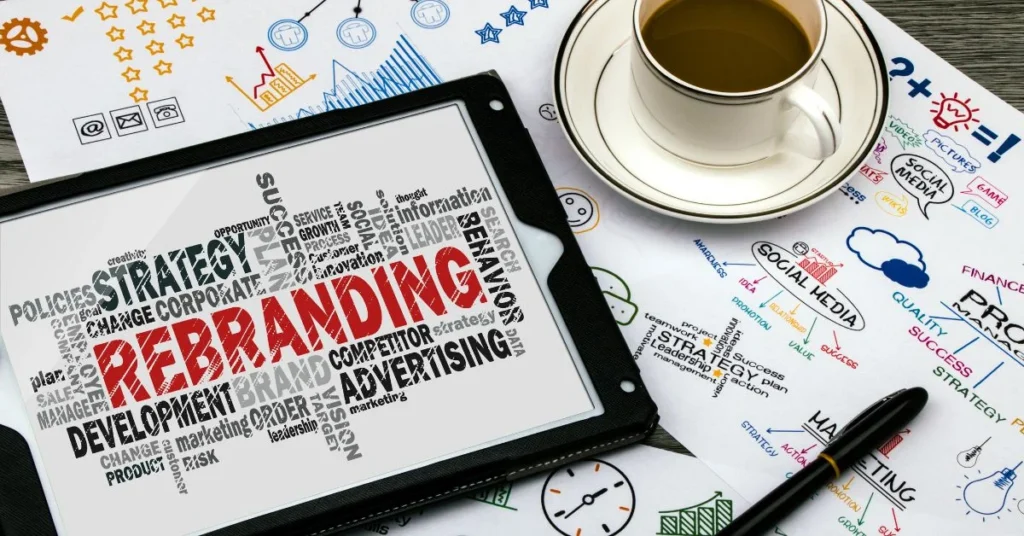
Your logo feels dated. Your messaging doesn’t match who you’ve become. Customers walk past your storefront or scroll past your ads without a second glance. If any of that sounds familiar, you’re probably circling the same question a lot of San Diego business owners eventually ask: is it time to bring in a rebrand marketing company san diego teams already trust to get this right?
A rebrand touches everything: name, logo, colors, voice, website, even how your sales team talks about you on the phone. Do it well, and you unlock a second chapter for your business. Do it halfway and you end up with a nicer logo but the same old problems. Here’s what actually goes into a rebrand that works, and how the right agency partner keeps it from becoming an expensive redesign project with nothing to show for it.
Why Businesses in San Diego Choose to Rebrand
Most rebrands aren’t vanity projects. They happen because something real has shifted. A company outgrows its original name. A merger creates overlap between two brand identities. A founder-led business scales past the point where a scrappy, DIY logo still fits. Or the market itself changes – new competitors move in, customer expectations shift, and the old positioning stops landing.
San Diego’s mix of biotech, hospitality, real estate, and tech companies means the reasons vary a lot from client to client. A biotech startup might rebrand after a Series B round changes who they’re actually selling to. A restaurant group might rebrand after expanding from one location to five. What stays constant is the goal: make the brand match the business it actually is today, not the business it was three years ago.
What a Rebrand Actually Involves
A proper rebrand isn’t just a new logo dropped onto the same old website. It starts with research – talking to customers, reviewing analytics, auditing every touchpoint where people interact with your brand. From there, a strategist maps out positioning: who you serve, what makes you different, and why anyone should care.
Only after that groundwork gets laid does the visual work start. Naming (if it’s changing), logo design, color palette, typography, and a voice and tone guide that keeps your messaging consistent whether it’s a tweet or a proposal. Premier marketing handles this exact sequence for clients, and it’s worth noting because skipping the strategy phase is the single biggest reason rebrands fail to move the needle. You can find examples of finished work like this in past client projects, where the visual identity ties directly back to a specific business problem.
Choosing the Right Agency Partner
Not every agency is built for rebrand work. Plenty of shops are great at running ads or managing social calendars but haven’t done the deeper strategic lift a rebrand demands. When you’re vetting a partner, ask to see their process, not just their portfolio. A good agency can walk you through how they arrived at a client’s new direction – the research, the options they presented, the reasoning behind the final choice.
It also matters whether the agency can carry the rebrand through execution. A beautiful brand book means nothing if nobody rebuilds the website, updates the social profiles, or trains the sales team on new messaging. Look for a team that offers brand strategy and design alongside the execution muscle to actually launch it. That combination is rarer than you’d think, and it’s the difference between a rebrand that sits in a PDF and one that shows up everywhere your customers look.
Location matters too, more than people expect. An agency with a real West Coast presence understands San Diego’s specific business landscape – the tourism seasonality, the biotech corridor around Torrey Pines, the way Gaslamp hospitality brands compete for attention. That local context shapes smarter creative decisions than a team working purely from a brand brief and a Zoom call.
The Rollout: Where Most Rebrands Actually Break
Here’s something agencies don’t always say out loud: the strategy and design phase is the easy part. Rollout is where things get messy. You’ve got old signage to replace, email signatures to update, business cards printed six months ago, a Google Business Profile that still shows the old name, and customers who might get confused by the change if you don’t communicate it clearly.
A staged rollout plan handles this. Internal teams get briefed first so employees aren’t caught off guard by a customer asking about “the new look.” Then comes a coordinated external launch – website live, social profiles updated same-day, an announcement that explains why the change happened rather than just showing it happened. Skipping this step is how a $30,000 rebrand investment turns into confused customers wondering if they’re dealing with a different company altogether.
Measuring Whether the Rebrand Worked
A rebrand isn’t done once the new logo goes live. The real test is whether it changes behavior – more inquiries, better close rates, customers describing your business the way you intended. Track brand awareness surveys, website engagement, and direct feedback from sales conversations in the months after launch.
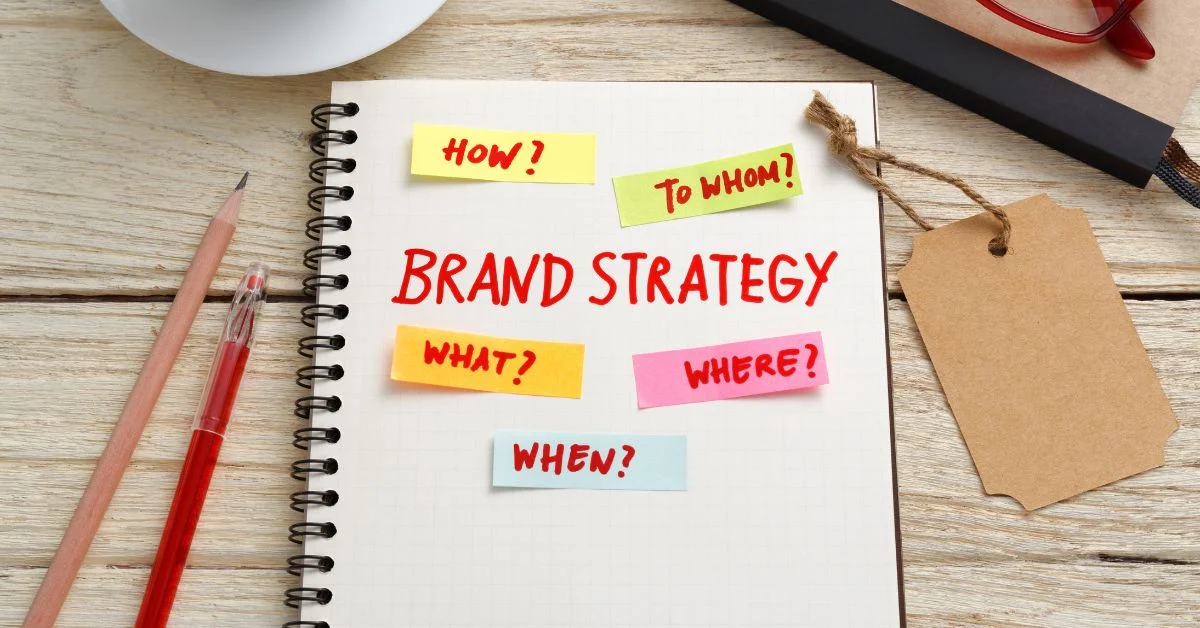
If nothing moves, that’s a signal the strategy phase missed something, not that rebrands don’t work. It’s worth building this measurement plan before launch, not after, so you actually know what “success” looks like three months down the road.
Getting Started
If your business has outgrown its current identity, the smartest first move is a conversation, not a design brief. A team that’s done this before can tell within one meeting whether you need a full rebrand or a lighter refresh – and that distinction alone can save you months and a meaningful chunk of budget. You can start that conversation here and get a clearer read on what your specific situation actually needs.
A rebrand done right gives your business room to grow into a stronger version of itself. Done wrong, it’s just an expensive new coat of paint. The difference almost always comes down to the strategy work nobody sees and the rollout plan that makes sure the new brand actually lands with the people who matter – your customers.
FAQs
1. How long does a typical rebrand take?
Most rebrands run three to six months from initial strategy work through full rollout, depending on how many touchpoints need updating. A simple logo refresh can move faster; a full name change with a new website usually takes longer.
2. How much does rebranding cost with a San Diego agency?
Costs vary widely based on scope – a partial refresh might run a few thousand dollars, while a full rebrand with new website, signage, and marketing collateral can run into the tens of thousands. Ask for a phased quote so you can see where the money goes.
3. Do we need to change our name to rebrand?
No. Many rebrands keep the name and update everything else – logo, colors, messaging, and positioning. Name changes are the exception, usually driven by legal issues, mergers, or a name that no longer fits the business.
4. Will a rebrand hurt our existing SEO rankings?
It can if it’s handled carelessly. Domain changes, URL restructuring, and inconsistent NAP (name, address, phone) listings across the web all pose risk. A competent agency plans redirects and citation updates before launch, not after.
5. How do we know if we need a rebrand or just a refresh?
If your core positioning and audience are still accurate but the visuals feel dated, a refresh usually solves it. If your business model, audience, or market position has genuinely changed, a full rebrand is the better investment.
6. Should employees be involved in the rebrand process?
Yes, at least in the internal rollout phase. Employees who understand and believe in the new brand direction become your best advocates for it. Blindsiding them with a launch they didn’t see coming tends to create internal confusion that leaks out to customers.